Retro Geometric Seamless Pattern: A Timeless Design Element for Modern Creatives
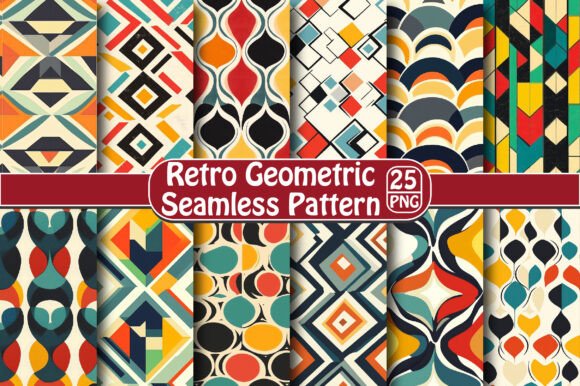
The Retro Geometric Seamless Pattern has become a popular choice among designers and crafters due to its unique blend of vintage charm and contemporary usability. This design style merges the bold, structured shapes of mid-century modern aesthetics with the flexibility of digital patterns that can be easily customized and applied across various mediums. With features like high-resolution PNG files (300 dpi, 12×12 inches), transparent backgrounds, and a distressed effect, it offers both visual appeal and practical functionality for a wide range of creative projects.
Understanding the Retro Geometric Seamless Pattern
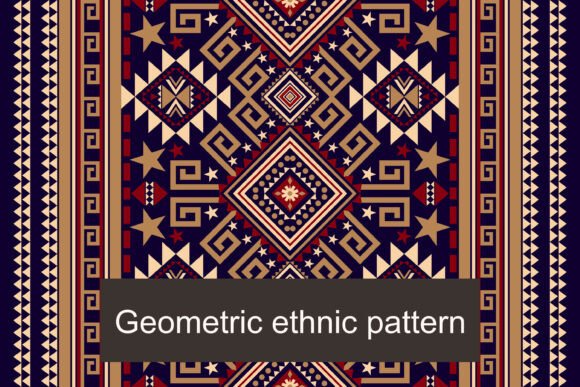
A seamless pattern is a repeating graphic that tiles perfectly without visible seams or edges, making it ideal for backgrounds, fabric designs, and print-on-demand products. The term “retro geometric” refers to the use of angular, symmetrical, and often abstract shapes inspired by the design trends of the 1950s through 1970s. These elements are arranged in a way that allows them to repeat seamlessly, creating a cohesive and eye-catching visual experience.
What sets the Retro Geometric Seamless Pattern apart from other seamless patterns is its intentional combination of nostalgia and modern adaptability. Unlike minimalist or floral patterns, which may focus on subtlety or natural forms, retro geometric designs rely on strong lines, contrasting colors, and repetitive symmetry. This gives them a distinctive character that stands out while still being versatile enough for multiple applications.
Key Features of the Retro Geometric Seamless Pattern
- High-Resolution PNG Files: Each design comes in a 300 dpi resolution at 12×12 inches, ensuring crisp and clear prints suitable for professional-grade output.
- Transparent Background: The transparent background makes it easy to overlay the pattern on any color or image, offering greater flexibility in design composition.
- Distressed Effect: This subtle texture adds depth and an aged appearance, enhancing the retro vibe while keeping the pattern clean and adaptable.
- Easy to Resize: Thanks to the vector-based nature of many such patterns or their high-resolution raster format, they can be scaled up or down using design software like Adobe Photoshop, Illustrator, or free tools like GIMP and Canva.
When to Choose the Retro Geometric Seamless Pattern
If you're working on a project that calls for a nostalgic yet vibrant aesthetic, the Retro Geometric Seamless Pattern could be an excellent fit. It’s particularly well-suited for:
- Print-on-Demand Products: Items like T-shirts, mugs, and tote bags benefit from the pattern’s boldness and clarity, especially when printed in solid colors.
- Wall Art and Decor: The repeating nature of the pattern allows for large-scale prints, making it perfect for accent walls or framed posters.
- Craft Projects: Whether you’re designing scrapbooks, greeting cards, or custom stickers, this pattern brings a stylish touch that's both artistic and functional.
- Digital Backgrounds: Its transparency makes it ideal for web design, app interfaces, or social media templates where layering is essential.
These applications highlight how the pattern bridges the gap between digital creativity and tangible craftsmanship, making it a valuable resource for both online and offline projects.
Strengths and Limitations of the Retro Geometric Style
One of the main strengths of the Retro Geometric Seamless Pattern is its ability to evoke a sense of timelessness while fitting into modern design workflows. The distressed effect adds dimension without overpowering the overall look, allowing the pattern to complement rather than clash with other design elements. Additionally, the availability of 25 distinct designs provides ample variety to suit different tastes and purposes.
However, there are some limitations to consider. The geometric nature of these patterns might not align with every design theme. For example, if your project requires soft, organic shapes or a more subdued look, a floral or watercolor seamless pattern might be a better match. Also, because the pattern is designed with a retro feel, it may not be appropriate for all audiences or industries—such as medical or corporate environments where a more professional tone is needed.
Comparisons with Other Seamless Pattern Styles
To make an informed decision, it's helpful to compare the Retro Geometric Seamless Pattern with other common styles available in the market:
1. Minimalist Seamless Patterns
Minimalist patterns emphasize simplicity and negative space. While they offer a clean and modern look, they lack the visual interest and texture provided by the distressed effect in the retro geometric style. If your goal is to create something that feels understated and elegant, minimalist might be preferable. But if you want a more dynamic or attention-grabbing design, the retro geometric option will likely serve better.
2. Floral and Nature-Inspired Patterns
Floral patterns bring a sense of warmth and natural beauty. They are great for feminine or seasonal themes but tend to be less versatile when it comes to scaling or applying to non-traditional surfaces. In contrast, the Retro Geometric Seamless Pattern maintains clarity and impact regardless of size or medium, making it more universally applicable.
3. Abstract Seamless Patterns
Abstract patterns can vary widely in style, but many share a similar emphasis on form and color over recognizable imagery. The retro geometric style fits within the broader category of abstract design but is more specific in its inspiration and execution. If you're looking for something that walks the line between structured and artistic, the retro geometric pattern strikes a good balance.
4. Typographic Patterns
Patterns that incorporate text or letterforms are excellent for branding or educational materials. However, they often require more careful placement and may not tile as smoothly as purely visual patterns. The Retro Geometric Seamless Pattern, with its balanced layout and repetition-friendly structure, avoids these issues and offers a more consistent tiling experience.
Best-Fit Situations for Retro Geometric Seamless Pattern
Here are some scenarios where the Retro Geometric Seamless Pattern excels:
- Merchandise Branding: Use it on T-shirts, phone cases, or hoodies to give your brand a retro-modern edge.
- Interior Design: Print it on canvas or wallpaper for a statement piece in a living room, office, or boutique.
- Event Decor: Apply the pattern to banners, tablecloths, or signage for festivals, retro-themed parties, or pop-up shops.
- Graphic Design Projects: Incorporate it into digital marketing assets, website headers, or app UIs for a stylish background.
In each of these contexts, the pattern’s bold geometry and distressed texture contribute to a visually engaging outcome. Its versatility is further enhanced by the fact that it’s available in solid colors, which allows for easy customization and integration into existing color schemes.
Tradeoffs to Consider Before Purchasing
While the Retro Geometric Seamless Pattern is a powerful design asset, it's important to weigh the tradeoffs based on your needs:
- Design Specificity: The retro aesthetic is highly thematic. If your project doesn’t align with this style, the pattern may feel out of place.
- Device and Printer Variability: As noted, the colors may appear differently depending on the screen or printer used. Always test prints before finalizing large orders.
- Format Flexibility: Although the pattern is easy to resize, it is provided in a fixed file format (PNG). If you need editable vector components for reconfiguration, ensure the package includes those or consider complementary resources.
By understanding these factors, you can determine whether the pattern suits your workflow and project goals.
How to Make the Most of Your Purchase
Since this is a digital instant download, there are no delays or shipping costs involved. You can immediately begin integrating the designs into your work. Here are some tips for maximizing their value:
- Experiment with Color Combinations: Use software like Photoshop to change the base color of the pattern and see how it looks in different palettes.
- Layer Thoughtfully: Take advantage of the transparent background to combine the pattern with photographs, textures, or other graphics for a more complex design.
- Test Print Quality: Especially if you're planning physical prints, check the pattern on a sample item first to ensure the distressed effect and resolution meet your expectations.
- Use Across Multiple Platforms: The pattern isn't limited to one type of project. Try it on digital ads, packaging, or even textile design to explore its full potential.
Alternatives Worth Considering
Depending on your design preferences and project requirements, there are several alternatives to the Retro Geometric Seamless Pattern that you might explore:
- Modern Symmetry Patterns: These often feature cleaner lines and a more futuristic look, appealing to tech-oriented or minimalist brands.
- Vintage Linocut Patterns: For a handcrafted feel, linocut-inspired seamless patterns mimic traditional carving techniques and add a tactile quality to digital designs.
- Ethnic or Cultural Patterns: These include motifs from around the world, offering rich symbolism and diversity for global-themed projects.
- Custom Vector Patterns: If you have access to design tools, creating your own pattern might provide a more tailored solution, though it requires time and skill.
Each of these options has its own advantages and drawbacks. The right choice depends on the tone you want to set, the technical requirements of your project, and the audience you're targeting.
Final Thoughts on Choosing the Right Pattern for You
The Retro Geometric Seamless Pattern is a compelling option for creatives who appreciate the intersection of vintage inspiration and modern design. Its high-quality PNG files, distressed effect, and transparent background make it a flexible and attractive choice for a wide array of applications—from fashion to home decor and beyond. That said, it’s important to evaluate how well the style matches your project’s intent and to consider whether you’ll need additional customization options.
Whether you're a seasoned designer or just starting out, having access to a collection of 25 ready-to-use designs can streamline your creative process. Just remember that the best design choices come from understanding both the capabilities and constraints of the tools you use.