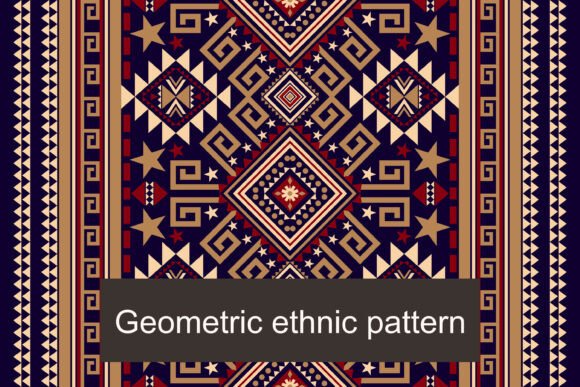
African Geometric Ethnic Pattern: A Timeless Design with Modern Appeal
When it comes to design elements that carry deep cultural significance while remaining visually striking, the African geometric ethnic pattern stands out as a powerful and versatile choice. These patterns are not just decorative; they tell stories, reflect traditions, and connect people to their heritage. Whether you're an artist, a designer, or simply someone who appreciates meaningful aesthetics, understanding how these designs work—and where to find them in high-quality formats like ZIP files containing EPS and JPG at 6000 x 4000 pixels—can open up new creative possibilities.
The Cultural Roots of African Geometric Patterns
African geometric ethnic patterns have origins across various regions of the continent, each with its own unique symbolism and style. In many traditional communities, these designs were used on clothing, pottery, textiles, and even body art. They often represent concepts such as unity, identity, fertility, and spiritual beliefs. For example, Yoruba adire cloth uses intricate geometric motifs to convey messages about life and nature, while Kente patterns from Ghana incorporate shapes that symbolize proverbs and historical events.
These patterns are more than visual flair—they serve as a language of sorts, communicating values and meanings without words. When using African geometric ethnic patterns in modern contexts, it's important to approach them with respect and awareness of their cultural background. This helps preserve their authenticity and ensures they are appreciated for what they truly represent.
How to Recognize Authentic African Geometric Designs
- Repetition: Many African geometric patterns use repeated shapes and lines to create rhythm and balance.
- Symmetry: Though not always perfect, symmetry is a common feature in these designs, reflecting harmony and order.
- Color Contrast: Bold, contrasting colors help define the geometric elements and add depth to the composition.
- Symbolic Elements: Look for recurring symbols such as circles (unity), triangles (strength), and zigzags (movement or energy).
By recognizing these characteristics, you can better appreciate the craftsmanship behind each pattern and ensure your use of them is both authentic and impactful.
Why Use High-Resolution Files for African Geometric Ethnic Patterns?
One of the most important aspects when incorporating any design into your projects is the quality of the file you're working with. If you're downloading an African geometric ethnic pattern in a ZIP file format that includes both EPS and JPG files at a resolution of 6000 x 4000 pixels, you're getting top-tier assets that are suitable for a wide range of applications.
Here’s why file size and resolution matter:
- Clarity and Detail: At 6000 x 4000 pixels, images maintain sharpness and clarity, especially when scaled up for print or large displays.
- Versatility: Having both vector (EPS) and raster (JPG) formats gives you flexibility in how you use the pattern. Vector files allow for resizing without loss of quality, while JPGs are ideal for web-based projects.
- Professional Results: High-resolution files are essential for professional-grade outputs, whether you’re designing for fashion, home decor, or branding.
Choosing the Right File Format for Your Project
Depending on your needs, one format may be more beneficial than the other. For digital illustrations, logos, or scalable graphics, the EPS format is the best choice because it allows for clean edges and precise manipulation. On the other hand, if you're working on a website or social media content, the JPG format offers excellent color reproduction and compatibility across platforms.
If you're unsure which format to choose, consider the final destination of your design. Print materials require high-resolution vector files, while online use typically favors compressed yet detailed JPGs. With both options available in a single ZIP file, you’re equipped to handle multiple scenarios efficiently.
Applications of African Geometric Ethnic Patterns in Modern Design
Thanks to their bold and eye-catching nature, African geometric ethnic patterns have found their way into countless industries and creative fields. Here are some popular applications where these designs shine:
- Fashion Industry: From fabric prints to embroidery templates, African geometric patterns are widely used in contemporary fashion to celebrate cultural diversity and heritage.
- Interior Design: Wall art, rugs, and upholstery featuring these patterns can transform a space with vibrant energy and a global aesthetic.
- Graphic Design: Used in branding, packaging, and promotional materials, these patterns help businesses stand out with culturally rich visuals.
- Home Decor: Throw pillows, table runners, and curtains with African geometric ethnic patterns add texture and meaning to any room.
- Digital Art and NFTs: Artists are increasingly blending traditional motifs with modern technology, creating unique pieces that resonate with global audiences.
Practical Benefits of Using These Patterns
Beyond their aesthetic appeal, African geometric ethnic patterns offer several practical benefits for designers and creators:
- Cultural Connection: Incorporating these patterns adds depth and context to your work, making it more relatable and respectful to diverse audiences.
- Visual Impact: The strong lines and vivid colors naturally draw attention, helping your designs stand out in competitive markets.
- Adaptability: Their modular structure makes it easy to modify, repeat, or combine them with other elements to suit your specific project needs.
- Timelessness: Unlike fleeting trends, these patterns have been around for centuries and continue to inspire due to their universal appeal and symbolism.
Where to Find African Geometric Ethnic Pattern Files
If you're looking to integrate these powerful designs into your workflow, it’s crucial to source them from reputable providers. Many designers now sell curated collections of African geometric ethnic patterns in downloadable ZIP files. These packages often include both EPS and JPG versions, ensuring you have the right tools for every task.
When selecting a file, make sure to check the following:
- Resolution: Aim for at least 300 DPI for print and 6000 x 4000 pixel dimensions for large-scale applications.
- License Type: Confirm whether the file is royalty-free or requires attribution. This is especially important when using the pattern commercially.
- Authenticity: Choose sources that highlight the origin and cultural significance of the pattern to avoid generic or misrepresented designs.
- File Integrity: Ensure the ZIP file contains all promised assets and works properly once extracted.
With the right set of files, you can confidently use African geometric ethnic patterns in everything from logo creation to product packaging, knowing you have the highest quality at your disposal.
Real-World Examples of Creative Use
Let’s explore how these patterns are being used today in innovative ways:
- Apparel Branding: A boutique clothing line might use a ZIP file containing an African geometric ethnic pattern to create custom fabric designs for their latest collection. The EPS format allows them to scale the pattern perfectly for screen printing, while the JPG version is used for marketing visuals.
- Wall Murals: Interior decorators often look for high-resolution JPG files to print large wall murals. An African geometric pattern with 6000 x 4000 pixel dimensions ensures the final mural looks crisp and detailed from any angle.
- Product Packaging: Eco-conscious brands may adopt these patterns for their packaging to communicate tradition and sustainability. The versatility of having both vector and raster files means they can adapt the design for labels, boxes, and digital ads seamlessly.
- Personal Projects: Artists and hobbyists enjoy using these patterns in mixed-media artworks, scrapbooking, and DIY crafts. The availability of high-quality downloads makes it easier to experiment and bring their visions to life.
Key Considerations Before Using These Patterns
While African geometric ethnic patterns are incredibly valuable, there are a few things to keep in mind before integrating them into your work:
- Respect Cultural Context: Understand the meanings behind the patterns to avoid misuse or stereotyping. Researching their origins can enhance your appreciation and application.
- Match Style to Purpose: Some patterns are bolder and suited for statement pieces, while others are subtle and better for background textures. Choose based on the overall design goal.
- Balance and Composition: Because these patterns are often intricate, it’s important to balance them with simpler elements to prevent overwhelming the viewer.
- Legal Usage: Always verify the licensing terms before using any downloaded pattern. Unauthorized commercial use can lead to legal issues, even if unintentional.
Being mindful of these factors not only helps you produce better work but also supports ethical and responsible design practices.
How to Work with EPS and JPG Files Effectively
Working with high-resolution African geometric ethnic patterns requires some technical know-how, depending on your software and workflow. Here are a few tips:
- For EPS Files: Open them in Adobe Illustrator or compatible vector editors. You’ll be able to edit individual elements, recolor, and scale without losing quality.
- For JPG Files: Use Photoshop or similar image-editing tools to adjust brightness, contrast, or blend modes. Keep in mind that these are fixed-resolution images, so avoid enlarging them beyond the original size for print.
- ZIP File Organization: Extract the contents of the ZIP file carefully. Make sure you don’t overwrite existing files and store the assets in a dedicated folder for future reference.
- Storage and Sharing: While the file size may be large, modern cloud storage solutions and fast internet connections make it easy to manage and share these resources.
Enhancing Creativity with African Geometric Ethnic Patterns
Designers love using African geometric ethnic patterns because they spark creativity and provide a fresh perspective. Whether you’re looking to infuse a project with cultural richness or simply want to experiment with new visual styles, these patterns can be a game-changer.
Some ideas for using them creatively include:
- Creating layered designs by combining different patterns in a single layout.
- Using them as backgrounds for websites or app interfaces to add texture and interest.
- Incorporating them into educational materials to teach about African cultures and design history.
- Printing them on fabric or canvas to craft statement art pieces for galleries or home interiors.
Because these patterns come in high-resolution formats like 6000 x 4000 pixel JPGs and editable EPS files, you can easily customize them to fit your vision. This level of detail is particularly useful for those aiming to replicate traditional methods digitally or apply them in new artistic directions.
Tips for Editing and Customizing Patterns
Editing an African geometric ethnic pattern may seem intimidating at first, but with the right tools and mindset, it becomes an enjoyable process. Here’s how to get started:
- Use Vector Software: EPS files are ideal for editing in programs like Adobe Illustrator. You can change colors, simplify shapes, or restructure the design entirely.
- Layer Elements: Break down the pattern into layers to give yourself more control over each component. This is especially helpful when combining with other graphic elements.
- Experiment with Color Schemes: Don’t feel limited to traditional palettes. Try adapting the pattern with modern color combinations to match your brand or theme.
- Maintain Clarity: Even after customization, ensure the pattern remains legible and retains its symbolic integrity.
Whether you’re tweaking the pattern slightly or completely reinventing it, the key is to stay true to its essence while allowing your creativity to flourish.
Conclusion
The African geometric ethnic pattern is more than just a design trend—it’s a celebration of culture, history, and artistic expression. By accessing high-quality ZIP files that include both EPS and JPG formats at 6000 x 4000 pixels, you gain the freedom to adapt and implement these designs across a wide variety of platforms and mediums.
As you explore these patterns, remember to honor their roots and consider how they can enrich your creative output. With the right tools and knowledge, you can bring timeless beauty and profound meaning to your next project.
Thank you for supporting the preservation and promotion of African heritage through your design choices ❤️❤️❤️❤️❤️.