English Plaids: A Versatile Design Element for Creative Projects
English Plaids is a distinctive design pattern that has captured the attention of designers, artists, and crafters alike. Known for its unique aesthetic and adaptability, this style offers a fresh take on traditional plaid designs while maintaining a timeless appeal. Whether you're working on digital art, printables, or tangible products like T-shirts and wall decor, English Plaids provides an excellent foundation for your creative endeavors.
What Makes English Plaids Unique?
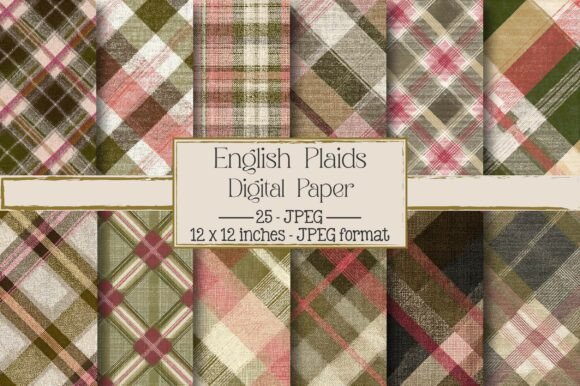
At first glance, English Plaids resembles classic tartan patterns often associated with Scottish heritage. However, it diverges in subtle yet impactful ways. The term "English Plaids" refers to a specific variation of plaid characterized by its color combinations and grid structure. Typically featuring muted tones with occasional pops of color, English Plaids evokes a sense of elegance and tradition without being overly ornate.
One of the key elements that differentiate English Plaids from other plaid styles is its distressed effect. This gives the design a weathered, vintage look that can be particularly appealing for projects aiming to create a rustic or nostalgic atmosphere. Additionally, the 12×12 inch size at 300 dpi resolution ensures high clarity and detail, making it ideal for both small and large-scale printing.
Transparent Backgrounds and Easy Resizing
The inclusion of a transparent background in English Plaids JPEG files is a major advantage for modern designers. It allows for seamless integration into various layouts and backgrounds, whether you're using Photoshop, Canva, or any other graphic design software. The transparent format also makes it easier to layer the design over images or textures, providing greater flexibility in composition.
Furthermore, the design files are easy to resize due to their high-resolution nature. This means you can scale them up for posters or down for stickers without losing quality. When compared to lower-resolution alternatives, English Plaids stands out as a more reliable option for professional-grade outputs.
Comparing English Plaids with Similar Design Options
When evaluating design options, it's important to consider how they align with your project goals. English Plaids is often grouped under broader categories like plaid patterns, vintage textures, or digital prints. Each of these has its own strengths and use cases, so understanding the differences can help you choose the right one.
- Classic Tartan: While visually similar, tartan is typically more vibrant and structured. English Plaids leans toward subtlety, which may suit minimalist or retro-inspired designs better.
- Digital Textures: English Plaids includes a distressed texture, but it is specifically tailored to replicate fabric patterns. General digital textures may not offer the same level of authenticity for textile-based projects.
- Abstract Patterns: These are often bolder and less structured than English Plaids. If your goal is to add a touch of tradition or warmth, English Plaids might be more appropriate.
In comparison to flat vector plaid templates, English Plaids offers more depth and realism thanks to its distressed visual effects. This can make it a better choice for physical items where texture plays a role in the final appearance, such as wooden frames or canvas prints.
Strengths of Using English Plaids
There are several advantages to incorporating English Plaids into your work:
- Versatility: From apparel to home décor, English Plaids adapts well across a wide range of applications.
- High Quality: With 300 dpi resolution and a 12×12 inch layout, the design maintains sharpness even when printed in large formats.
- Instant Download: As a digital product, English Plaids is delivered immediately after purchase, saving time and allowing for quick implementation in projects.
- Transparent Background: This feature enables designers to overlay the plaid pattern onto custom images or other graphics without unwanted edges or borders.
Best-Fit Situations for English Plaids
English Plaids is especially well-suited for the following scenarios:
- Print-on-Demand Products: Use it for creating custom T-shirts, mugs, or tote bags where a subtle yet stylish pattern is desired.
- Wall Art and Decor: The distressed effect works beautifully when printed on canvas or framed digitally, adding character to any space.
- Scrapbooking and Cards: Its traditional yet adaptable nature fits perfectly into handmade crafts and greeting cards that aim for a cozy, personal feel.
- Stickers and Labels: The clear background and solid colors ensure that the design looks clean and professional on adhesive surfaces.
If you're looking to evoke a sense of nostalgia or heritage in your design, English Plaids could be the perfect fit. Its understated charm complements both modern and vintage aesthetics, making it a versatile asset for a broad creative palette.
Limitations and Considerations
Despite its many benefits, there are a few limitations to keep in mind when using English Plaids:
- No Physical Product: As a digital instant download, you won't receive any tangible materials. This requires users to have access to suitable printing tools or services.
- Color Variation: Colors may appear slightly different depending on the device used for viewing or the printer used for output. Always test a sample before mass production.
- Design Specificity: English Plaids may not be the best option if you require highly customized or culturally specific patterns beyond its standard offering.
These considerations highlight the importance of understanding your end-use scenario before selecting a design element. For example, if you're designing a logo or a bold marketing banner, a simpler or more abstract pattern might serve better than the intricate details found in English Plaids.
Alternatives to English Plaids
If English Plaids doesn't meet your needs, several alternative design resources could be worth exploring:
- Flat Vector Plaids: These are great for digital illustrations or web graphics where scalability and crisp lines are essential.
- Modern Geometric Prints: For contemporary projects, geometric patterns offer a more current aesthetic without the historical connotations of English Plaids.
- Custom Fabric Designs: If you need something truly unique, commissioning a bespoke plaid pattern could provide the exact look you're after.
Each of these alternatives brings its own set of advantages. Flat vector plaids are ideal for digital-only projects, while geometric prints suit modern branding efforts. Custom fabric designs, though more expensive and time-consuming, allow for full creative control.
Choosing the Right Option for Your Project
Selecting between English Plaids and other design resources depends on your specific requirements. Here are some decision factors to consider:
- Project Type: Are you working on a digital illustration, a printed poster, or a physical product? English Plaids excels in tactile applications like textiles and paper goods.
- Target Audience: Does the design resonate with your intended viewers? English Plaids tends to appeal to those who appreciate vintage or artisanal styles.
- Printing Needs: Do you require high-quality printable assets? The 300 dpi resolution and distressed effect of English Plaids are designed with this in mind.
- Budget and Timeline: Since English Plaids is available as a digital instant download, it’s a cost-effective and time-efficient solution for many creators.
For instance, if you're planning a fall-themed clothing line, English Plaids could provide the warm, textured look you’re aiming for. On the other hand, if you're creating a sleek tech startup website, a more modern geometric pattern might be a better match.
Real-World Applications of English Plaids
Let’s explore a few practical examples of how English Plaids can be applied:
- Fashion Design: Print English Plaids on cotton tees or hoodies for a casual, vintage-inspired look. The distressed effect adds character without overwhelming the design.
- Home Décor: Apply the pattern to throw pillows, curtains, or wall art. The solid colors and subtle texture make it suitable for both rustic and modern interiors.
- Craft and Stationery: Incorporate the design into scrapbook pages, greeting cards, or custom envelopes. The transparency allows for layered compositions that enhance visual storytelling.
- Merchandise Branding: Use English Plaids as part of a brand identity kit—on badges, stickers, or promotional items—to create a cohesive, memorable look.
These examples illustrate the wide-ranging utility of English Plaids. However, they also underscore the need to evaluate how the design will function within each context. In some cases, a more subdued approach might be preferable, while in others, a bolder pattern could be necessary.
Final Thoughts on English Plaids
English Plaids is a valuable resource for anyone involved in design, crafting, or print-based projects. Its blend of traditional aesthetics and modern usability makes it a compelling choice for those seeking a refined yet adaptable pattern. By considering the strengths, limitations, and potential applications, you can determine whether it aligns with your creative vision and technical requirements.
Remember, no single design fits all scenarios. Take time to review samples, understand your audience, and assess your printing capabilities before making a decision. English Plaids is a strong contender in the world of design patterns—but the right choice ultimately depends on your unique needs and preferences.