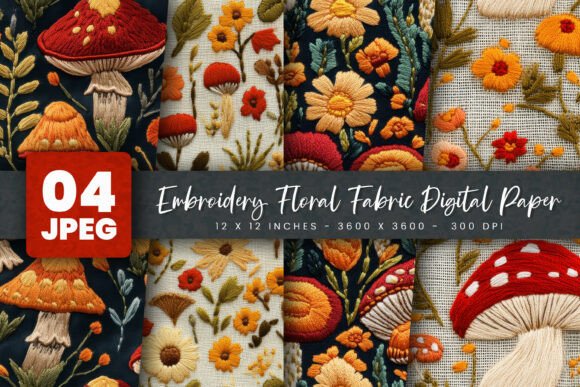
Embroidery Floral Fabric Digital Paper: A Versatile Design Asset for Creative Projects
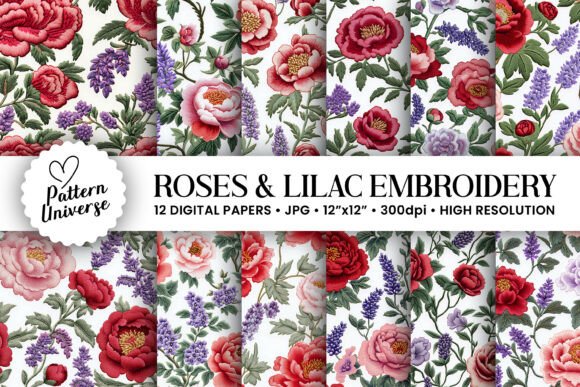
Embroidery Floral Fabric Digital Paper is a high-quality digital design file that mimics the intricate and elegant look of embroidered floral patterns on fabric. These designs are typically delivered in common image formats like JPG, making them easy to use across a wide range of creative applications. With features such as high-resolution (300 DPI), large size (3600x3600 pixels), and multiple files included (4 JPG images), this digital paper offers both flexibility and professional-grade quality for creators and businesses alike.
Understanding the Role of Embroidery Floral Fabric Digital Paper
In the broader context of graphic design and product customization, Embroidery Floral Fabric Digital Paper serves as a foundational element. It can be used at various stages of a project—before finalizing visual concepts, during the creation process, or even after production as part of an ongoing branding strategy. Its realistic texture and rich detail make it ideal for adding depth and authenticity to digital artwork without the need for physical samples.
This type of digital asset fits seamlessly into workflows involving print-on-demand services, home decor creation, fashion design mockups, and more. Whether you're designing a custom t-shirt for a small business or creating a set of greeting cards for a seasonal campaign, these digital papers help maintain a cohesive aesthetic while saving time and resources.
Use Cases Across Industries and Projects
The beauty of Embroidery Floral Fabric Digital Paper lies in its adaptability. Here are some key areas where it can be effectively integrated:
- Wall Decor and Art: Use the pattern as a background for digital wall art, murals, or framed prints. The high resolution ensures crisp output when printed large-scale.
- T-Shirts and Apparel: Incorporate the design into custom t-shirts, onesies, or other wearable items. The detailed floral embroidery effect adds a touch of sophistication and style.
- Stickers and Labels: Apply the fabric pattern to stickers for packaging, signage, or promotional materials. The vintage yet timeless feel works well for handmade or artisanal brands.
- Greeting Cards and Stationery: Add the fabric design as accents or backgrounds to create unique invitations, thank-you cards, or holiday greetings.
- Mugs and Drinkware: When paired with graphic design tools, the digital paper can be adapted to wrap around mugs, tumblers, or other ceramic products.
- Tote Bags and Throw Pillows: Ideal for print-on-demand platforms, the pattern enhances the visual appeal of reusable bags and home décor accessories.
Integrating Digital Paper Into Your Workflow
Before beginning any design work, it's essential to understand how Embroidery Floral Fabric Digital Paper interacts with your existing tools and processes. Most commonly, it’s used within graphic design software such as Adobe Photoshop, Illustrator, Canva, or Figma. Once downloaded, you can import the JPG files directly into your projects and apply them as textures, overlays, or base elements depending on your needs.
During the design phase, consider layering the digital paper beneath text or logos to give them a tactile, handcrafted appearance. For example, if you're designing a line of throw pillows for a boutique, placing the floral fabric pattern behind stylized lettering can instantly elevate the product’s perceived value and uniqueness.
After completing a design, ensure that the file dimensions match the specifications required by your printing service or platform. Since these files are already optimized for high-resolution printing, they’re compatible with most standard templates and ready to go straight from screen to print.
Workflow Example: Custom T-Shirt Design
- Start by selecting the appropriate JPG file from the Embroidery Floral Fabric Digital Paper pack based on the color scheme of your t-shirt.
- Open your chosen design software and create a new canvas sized to fit your target apparel (e.g., 10x14 inches for a men’s shirt front).
- Import the digital paper and adjust the opacity so it acts as a subtle background. You might also apply blending modes like Multiply or Overlay to enhance integration.
- Add your brand logo or typography on top of the fabric pattern. Choose fonts and colors that complement the floral design.
- Export the final design in the correct format (usually PNG or PDF) and upload it to your print-on-demand provider or send it to a local printer.
Preparation and Compatibility Tips
Before using Embroidery Floral Fabric Digital Paper in your projects, ensure your workspace is properly organized. Store the digital assets in clearly labeled folders, especially if you plan to reuse them for future campaigns or collections. Keeping track of which pattern was used in which project helps maintain consistency and avoids duplication.
When working with digital fabric patterns, compatibility is key. Make sure your editing software supports high-resolution images and advanced layer controls. If you're using online tools like Canva, check that the uploaded files retain their quality and don’t become pixelated when scaled up. Also, confirm that your printer or print-on-demand partner accepts the file format and resolution provided.
Enhancing Usability Through Layering and Blending
One of the best ways to maximize the usability of Embroidery Floral Fabric Digital Paper is through layering techniques. Instead of using the pattern alone, combine it with solid colors, gradients, or additional textures to create a balanced composition. This approach allows you to maintain the visual richness of the fabric without overwhelming the viewer.
Experiment with different blending modes to see how the pattern interacts with other design elements. For instance, using the Overlay mode can highlight the contrast between the floral details and a darker background, while Soft Light may offer a more subdued, natural look.
If you're working on a product lineup that requires similar aesthetics across various items, create a master file containing the fabric pattern and save it as a template. This way, every new design starts with a consistent base, streamlining your workflow and reducing repetitive tasks.
Long-Term Use and Branding Consistency
Embroidery Floral Fabric Digital Paper isn't just a one-time resource—it can be a valuable part of your long-term branding toolkit. Consider using it as a recurring motif in packaging, social media graphics, or blog headers to reinforce a cohesive visual identity. The vintage-inspired embroidery look is particularly effective for lifestyle brands, eco-friendly products, or anything targeting a bohemian or rustic market segment.
For educators and bloggers who incorporate visual content into tutorials or articles, this digital paper can serve as a backdrop for DIY guides or craft demonstrations. Its authentic fabric texture adds a tactile dimension to otherwise flat digital illustrations, helping audiences visualize the end result more clearly.
Quality Control and Output Expectations
Because these are digital downloads, no physical items will be shipped. However, the quality of the files themselves plays a critical role in the final outcome. Always preview the design on a simulated mockup before sending it for print. Many online tools allow you to drag and drop your artwork onto a virtual model of the product, giving you a clear idea of how it will appear once produced.
It's also important to test the pattern on different surfaces. What looks great on a tote bag may not translate well to a mug due to curvature or lighting effects. Keep a sample library of how the fabric pattern appears on various materials to guide your choices and avoid unexpected results.
Storage and Organization Best Practices
To keep your digital assets easily accessible, organize the Embroidery Floral Fabric Digital Paper files into categorized folders. For example:
- Backgrounds – For posters, banners, and wall art.
- Textures – For use in layered designs or overlays.
- Apparel – For t-shirts, onesies, and other clothing items.
- Home Décor – For throw pillows, tote bags, and more.
Consider renaming the files with descriptive tags, such as "Floral_Fabric_01_Background" or "Embroidery_Texture_04_Apparel," to simplify search and retrieval later. Using cloud-based storage solutions like Google Drive or Dropbox can also help share these assets efficiently with collaborators or clients without compromising quality.
Why Choose High-Resolution Digital Files?
High-resolution images like the 300 DPI Embroidery Floral Fabric Digital Paper ensure sharp, clean edges and detailed textures, especially when printed. Lower resolution images tend to appear blurry or distorted, particularly when enlarged. By using 300 DPI files, you guarantee that your finished products meet professional standards and deliver a polished look to your customers or audience.
Additionally, the large file size (3600x3600 pixels) gives you room to scale the design without losing clarity. This is especially beneficial for wall art or large-format prints where precision matters. The inclusion of four JPG files in the download also provides options—choose the right variation depending on your project’s color palette and theme.
Efficiency Gains in Business and Creative Work
For entrepreneurs and small business owners, integrating Embroidery Floral Fabric Digital Paper into your design process can significantly improve efficiency. Instead of sourcing physical fabric swatches or hiring a designer to recreate the look manually, you can use these pre-made files to speed up prototyping and reduce costs.
Freelancers and publishers benefit from the same efficiency boost. When producing editorial content, book covers, or marketing materials, having a reliable digital texture ready to go means less time spent on asset preparation and more time focused on client needs and creative direction.
Marketers can leverage the pattern to create visually engaging campaigns. Whether it’s for Instagram posts, email newsletters, or event flyers, the fabric look adds warmth and authenticity to digital content, making it more relatable and appealing to target audiences.
Final Thoughts on Practical Integration
Embroidery Floral Fabric Digital Paper is more than just a decorative element—it’s a strategic tool that can streamline your design workflow, enhance your visual output, and support your branding efforts. From wall art to t-shirts and everything in between, it’s designed to be adaptable and high-performing.
By understanding how to integrate it into your software, manage your assets efficiently, and test outputs for quality, you can unlock its full potential. Think of it as a building block in your creative process rather than a standalone item. Used wisely, it can help you produce more professional, aesthetically pleasing results faster and with fewer resources.