Tiny Flowers Pattern for Creative Projects
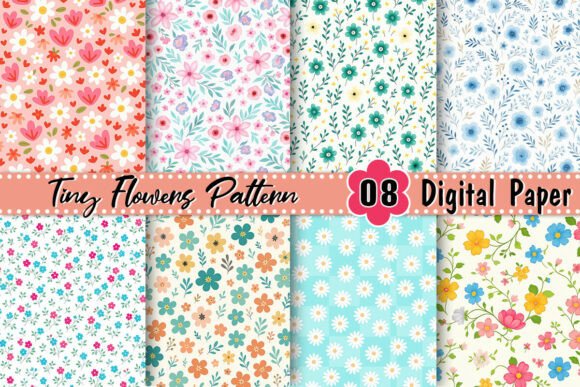
When it comes to design, the smallest details can make the biggest impact. The Tiny Flowers Pattern is a subtle yet powerful tool that can elevate your creative work across various platforms and mediums. Comprising 8 high-quality JPG digital images, this pattern offers non-seamless floral elements at a professional resolution of 300 DPI—ideal for print or digital use. Whether you're an entrepreneur crafting brand materials, a blogger designing templates, or a hobbyist working on personal projects, understanding how to effectively use such patterns can enhance visual appeal while maintaining functionality.
What Is the Tiny Flowers Pattern?
The Tiny Flowers Pattern is a collection of delicate floral designs formatted as individual JPG files. Unlike seamless patterns that tile perfectly without visible edges, these are non-seamless, allowing for more artistic flexibility when placed within larger compositions. Each image is rendered in 300 DPI resolution, ensuring crispness and clarity whether printed on fabric, paper, or displayed on screens.
This pattern set is particularly valuable because it provides ready-to-use visuals that require minimal editing. Designers often spend hours creating custom textures or sourcing royalty-free assets. With the Tiny Flowers Pattern, you gain access to a curated selection that balances charm and professionalism, making it suitable for both casual and commercial applications.
Who Can Benefit from Using Tiny Flowers Pattern?
Several types of professionals and creatives can leverage the Tiny Flowers Pattern to streamline their workflow:
- Graphic designers who need quick background accents for marketing materials or packaging.
- Bloggers and content creators looking to add visual interest to headers, social media posts, or website banners.
- Teachers and educators preparing handouts, certificates, or classroom decorations with a soft, elegant touch.
- Entrepreneurs developing branding collateral like business cards, labels, or product boxes that reflect a natural aesthetic.
- Hobbyists engaged in scrapbooking, card-making, or DIY crafts where floral motifs are popular.
Each of these users has unique needs, but they share a common goal: enhancing their output with visually appealing elements that don’t compromise quality or usability.
How Tiny Flowers Pattern Supports Creativity and Efficiency
One of the key advantages of using the Tiny Flowers Pattern is its ability to support creativity without requiring extensive time investment. For example, if you're a small business owner launching a new line of greeting cards, incorporating these floral images can help you create cohesive designs quickly. You might place one or two flowers strategically in the corner of each card to maintain a consistent theme while allowing the text to remain the focal point.
Similarly, marketers working on seasonal campaigns can benefit by integrating these images into email headers or promotional posters. The non-seamless nature means they can be layered or cropped to fit specific areas, giving your design a polished look without appearing repetitive or artificial.
For educators, these patterns can serve as decorative borders for worksheets or project displays. A simple addition of a flower graphic can transform a basic template into something more engaging and visually stimulating for students.
Use Case Example: Branding for a Natural Skincare Line
Imagine you're building a brand identity for a natural skincare company. Your color palette includes soft pastels and earthy tones, and you want to reinforce the organic, gentle feel of your products through visual design. By embedding the Tiny Flowers Pattern into your label backgrounds or packaging inserts, you communicate a sense of purity and care. Since the pattern is non-seamless, you can blend it seamlessly with other brand elements like logos or handwritten typography, creating a harmonious and authentic look.
With 8 distinct JPGs available, you have enough variety to avoid repetition across different product lines or marketing channels. This ensures that your brand maintains a fresh appearance without the need for constant reinvention of design elements.
Why Resolution Matters in Design Projects
Resolution is a critical factor when selecting design assets, especially for those planning to use them in print. The Tiny Flowers Pattern is delivered in 300 DPI format, which is the industry standard for high-quality printing. This level of detail prevents pixelation or blurriness when scaled up, ensuring your final product looks professional and refined.
Consider a scenario where you’re designing a wedding invitation suite. Every element must be flawless, from the font choice to the imagery used. Low-resolution graphics could lead to unprofessional results, potentially affecting the client’s perception of your work. Using the Tiny Flowers Pattern eliminates that risk, offering the assurance that your floral accents will hold up under scrutiny—both online and in print.
Practical Tip for Digital Use
If you plan to use these images in web-based materials, remember that while 300 DPI is excellent for print, it may not always be necessary for screen display. However, having higher resolution files gives you the flexibility to scale up for large-format digital banners or posters without losing quality. It also future-proofs your assets against evolving display technologies that increasingly demand sharper visuals.
Integrating the Pattern into Larger Designs
Because the Tiny Flowers Pattern is non-seamless, it allows for more creative control in layout and composition. You aren't limited to tiling; instead, you can choose to place the images individually or combine them in ways that suit your design intent. This makes it ideal for adding texture or depth to otherwise flat surfaces.
For instance, a freelance designer working on a children's book cover might use these flowers as floating elements above text or integrated subtly into the background. The versatility of the pattern supports storytelling aesthetics without overwhelming the reader. In another case, a publisher might layer the images behind quotes or titles to give them a soft, romantic feel that aligns with the content.
Non-seamless patterns also encourage thoughtful placement. You can crop certain parts of the image to focus on specific details, or blend multiple images together to form a composite design. This kind of hands-on customization is what sets apart amateur-looking work from professionally crafted visuals.
Limitations and Considerations
While the Tiny Flowers Pattern is highly versatile, there are some limitations to consider before purchasing or downloading the 8 JPG digital images. First, since the pattern is non-seamless, it may not be suitable for situations where tiling is required. If you're designing a wallpaper or a repeating textile pattern, you’ll need to invest additional time in adjusting the layout or blending the edges manually.
Additionally, the pattern is best suited for projects where subtlety is preferred over bold statements. If your design calls for a strong, dominant floral motif, you may find the tiny size and delicate nature of these images less impactful. In such cases, comparing options with larger or more vibrant floral patterns could yield better results.
Lastly, while the 300 DPI resolution is excellent for most uses, always check the requirements of your intended platform. Some printing services may recommend even higher resolutions for specific materials, so it's wise to confirm before finalizing your design.
Enhancing Communication Through Visual Storytelling
Visual communication is essential in today’s fast-paced digital world. The right imagery can convey emotion, tone, and intention far more effectively than words alone. The Tiny Flowers Pattern helps bridge that gap by providing a universally appreciated symbol—flowers—that evoke feelings of warmth, growth, and beauty.
Take, for example, a nonprofit organization focused on environmental conservation. Adding these floral elements to reports, infographics, or presentation slides can subtly reinforce the message of renewal and sustainability. The pattern doesn’t distract from the data but enhances the overall experience, making the information more approachable and memorable.
In educational settings, teachers might use the pattern in lesson plans about biology or art history, helping students connect emotionally with the subject matter. These visuals can spark curiosity and encourage engagement, especially among younger audiences who respond well to aesthetically pleasing environments.
Recommendations for Best Results
- Layer wisely: Combine the Tiny Flowers Pattern with solid colors or gradients to prevent muddying the design. Let the pattern complement rather than compete with the main content.
- Experiment with opacity: Reduce the transparency of the images to blend them smoothly with other design elements. This technique works particularly well in backgrounds or textured overlays.
- Use sparingly: Less is often more with floral patterns. Overusing them can create clutter and diminish the elegance they’re meant to convey.
- Match the mood: Consider the context of your project. These flowers are best suited for feminine, whimsical, or natural themes. Avoid using them in stark, minimalist designs unless intentionally contrasting styles.
Saving Time Without Sacrificing Quality
Time is a precious resource for anyone juggling multiple responsibilities. The Tiny Flowers Pattern streamlines the design process by offering ready-made visuals that require little to no modification. Instead of spending hours searching stock sites or creating original illustrations, you can download the 8 JPG images and begin experimenting immediately.
This efficiency is especially valuable for freelancers and entrepreneurs who need to deliver high-quality work under tight deadlines. Having a reliable pattern library in your toolkit ensures that you can maintain consistency across all your projects while still producing polished results.
Moreover, the pattern’s simplicity allows for faster rendering in design software, reducing lag and improving workflow speed. When you're working on a multi-page brochure or a series of social media posts, this small optimization can significantly boost productivity.
Conclusion: A Thoughtful Addition to Your Toolkit
The Tiny Flowers Pattern isn’t just another decorative asset—it’s a strategic design choice that can enhance visual storytelling, improve presentation quality, and save valuable time. Its non-seamless format and high-resolution JPGs offer flexibility and reliability for both digital and print applications. While it may not be the best option for every project, it’s a meaningful addition for those aiming to create soft, elegant, and professional visuals with ease.
Whether you're refining your brand identity, updating educational materials, or simply exploring new creative avenues, this pattern set provides a foundation for subtle sophistication. As with any design tool, the key lies in thoughtful application. Use it where it adds value, compare it with other options when needed, and let it support your goals without overshadowing your message.